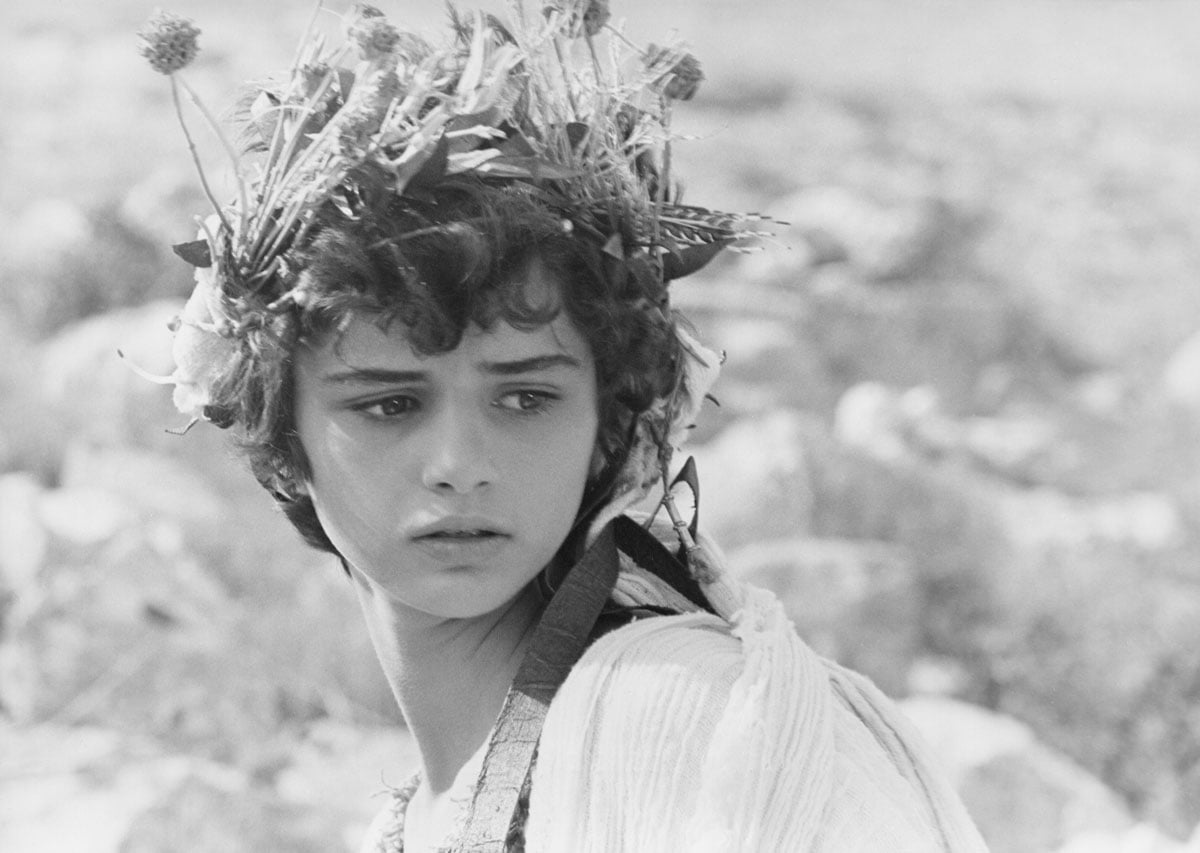
A rare opportunity to see the award-winning film, Iphigenia, from 1977, directed by celebrated Greek film, theatre and opera director, Michael Cacoyannis, based on Euripides’ tragedy, Iphigenia in Aulis. Focusing on competing human motivations and mob instincts rather than divine forces, it powerfully dramatizes the myth of Iphigenia, daughter of Agamemnon and Clytemnestra, whose sacrifice was demanded by the goddess Artemis in order for the Greek fleet to sail to Troy. Forcing Agamemnon to make an impossible choice, the ultimatum, delivered by a high priest, sets in train a devastating cycle of revenge.
Nominated for an Academy Award for Best Foreign Language film and for the Palme D’Or, Iphigenia was shot on location, with sweeping cinematography and riveting performances, especially from Irene Papas as Clytemnestra and Tatiana Papamoskou as Iphigenia.
Screenplay and direction: Michael Cacoyannis, based on Euripides
Music: Mikis Theodorakis
Greece, 1977. Running time: 2hrs, 7minutes
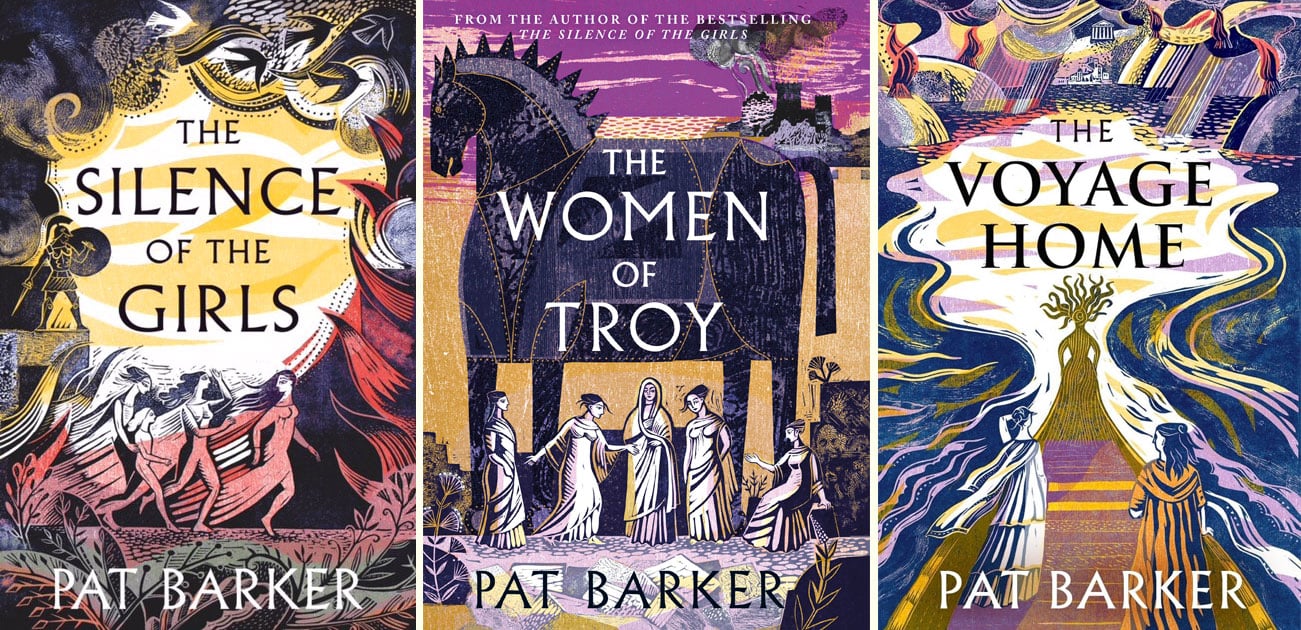
With The Voyage Home, Booker-prize winning author Pat Barker continues her compelling series of novels telling the stories of women during the Trojan war, first in The Silence of the Girls, followed by Women of Troy. She joins us to talk about all three books, and her approach to reimagining the fateful drama of Agamemnon’s return home from Troy through the eyes of the captive Trojan women he brings with him, including the clairvoyant princess, Cassandra.
Waiting for Agamemnon in Mycenae is his wife Clytemnestra, who cannot forgive him for sacrificing their daughter Iphigenia to the gods ten years earlier, to enable the Greek fleet to sail to Troy. As Cassandra foretells, Clytemnestra is resolved to settle the score.
‘Barker’s vision of a world shaped by violence, a key theme in all her fiction, is equal to the tragic grandeur of ancient myth, and her insistence that ordinary people’s sufferings be given equal weight with the woes of the mighty gives it a contemporary edge.’ – Kirkus review
Pat Barker will be interviewed by arts journalist and broadcaster, Paula Shields.
What are the laws of war? Who will hold belligerents to account? When is invasion or conquest justified? Is geopolitics always about self-interest and the survival of the fittest?
The invasion of the island of Melos by the Athenian empire in 416 BC brought all these questions to the fore. The historian Thucydides compressed some of these arguments in an elaborate debate, the ‘Melian Dialogue’, a chapter in his influential History of the Peloponnesian War. His account of the 27-year war between Athens and Sparta (431-404 BC) analyses the Athenians’ imperialism and belief in their superior strength.
We present a new work-in-progress reading of Colin Murphy’s gripping, highly topical, adaptation of the Melian Dialogue, with Ali White, Janet Moran, Shadaan Felfeli, and Morgan Jones. The short performance will be followed by an incisive panel discussion looking at the 2,500-year history of the ‘realist’ school of foreign policy.
The panel: foreign policy specialist, former Naval Vice Admiral, Mark Mellett, Classics Lecturer, Dr Kerry Phelan and Prof of Moral Theology, Tobias Winwright, will be chaired by Prof Brigid Laffan.
-James-Betts.jpg)
Sparkling novelist, Classicist, broadcaster and critic, Natalie Haynes, comes to the Whyte Recital Hall stage to continue her exploration of the fascinating women of Greek myth, whom she is determined to bring out of the shadows.
Bringing insight, wit and originality to her readings of Classical myth, history and tragedy, Natalie Haynes presents her new novel, No Friend To This House, which draws on Euripides’ tragic drama, Medea, still widely staged and adapted in film, opera and dance productions around the world.
Join this award-winning writer for an evening re-imagining the story of Medea, Jason and the Golden Fleece, to learn more about who Medea was and why we still find her story so compelling today. We are delighted to welcome the author of A Thousand Ships, Pandora’s Jar and Stone Blind back to Classics Now, to give us an eye-opening reinterpretation of Medea: witch, sorceress and daughter of a brutal king.
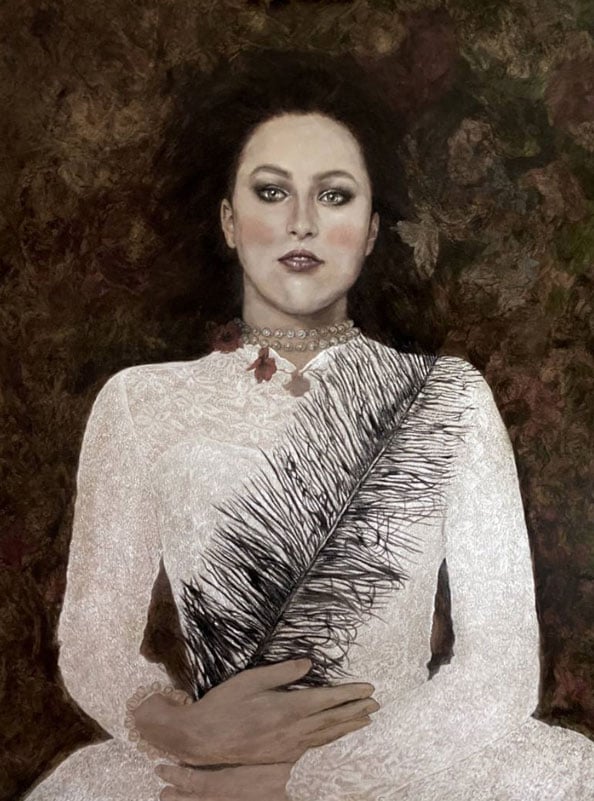
The doomed love affair between Aeneas, the Trojan hero, and Dido, Queen of Carthage inspired poets, painters and Henry Purcell’s seventeenth-century opera, Dido & Aeneas. This beautiful Baroque work captures the intensity and tragedy of the story of the lovers first told by Virgil in Book IV of his epic poem, The Aeneid, and represented in art and music down through the centuries.
Join us to discover the many facets of the fascinating Dido in a selection of texts, arias and songs from Purcell, Cavalli and Schubert, including Purcell’s famous Dido’s Lament (‘When I am laid in earth’).
Performed by acclaimed mezzo soprano, Sharon Carty, accompanied by harpsichordist David O’Shea, with literary excerpts from opera director Conor Hanratty.
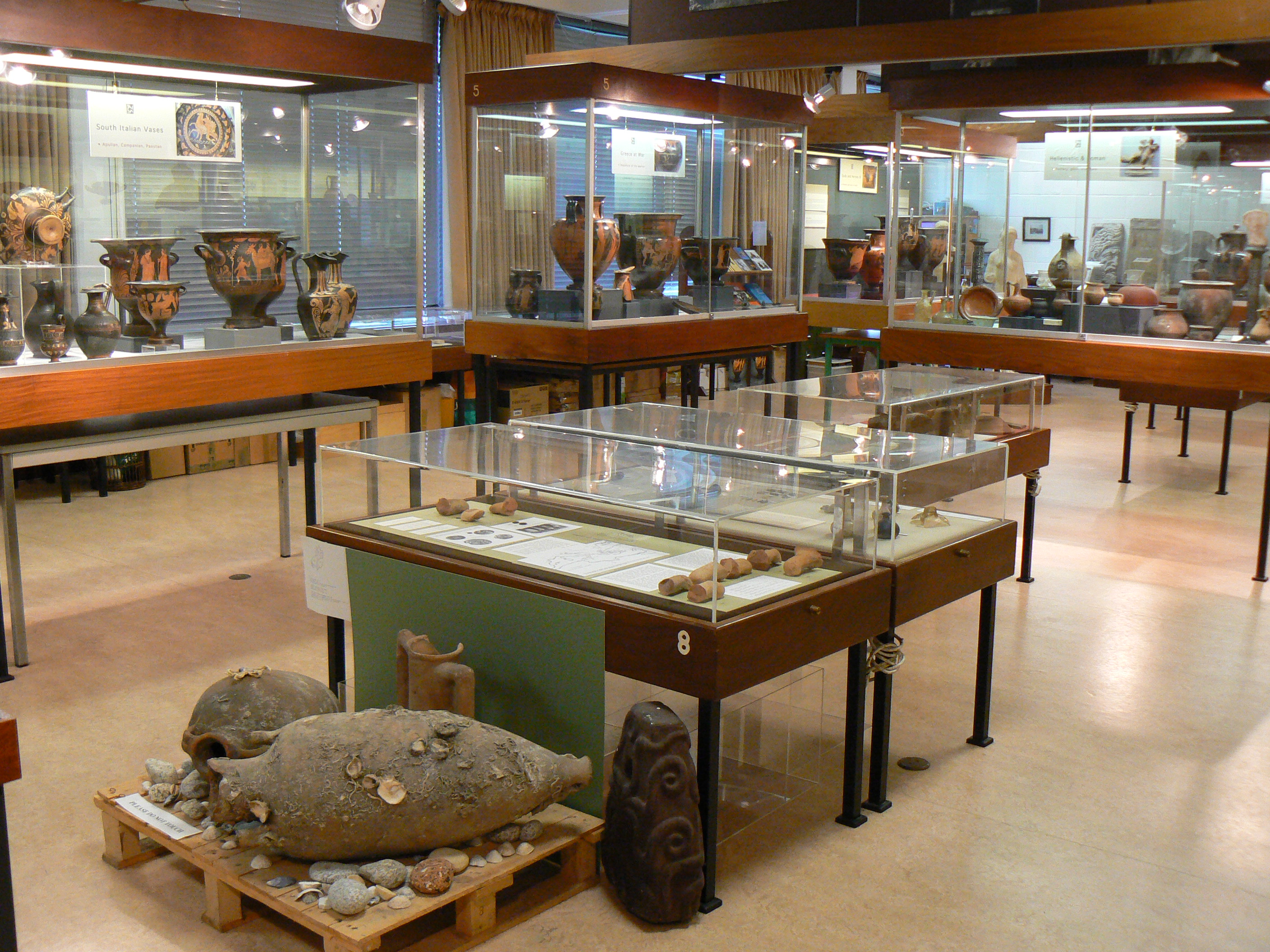
Join us for a guided tour of the Classical Museum, and an introduction to the fascinating collection with Museum Curator, Dr Joanna Day.
The Classical Museum in UCD holds the largest collection of Classical antiquities on display in Ireland. The collection was started early in the twentieth century by Professor Henry Browne and has been added to through donations and loans over the past century. Artefacts include Roman and Greek coins, magnificent Greek pottery ranging from the Neolithic period to the first century BC, glass, jewellery, inscriptions and funerary sculpture, Cypriot ceramics and a small Egyptian collection. Thematic exhibitions change regularly.
https://www.ucd.ie/classics/about/classicalmuseum
Admission free; early booking recommended as places are limited.
Classical Museum,
School of Classics
Room K216, Newman Building
University College Dublin
Belfield, Dublin 4
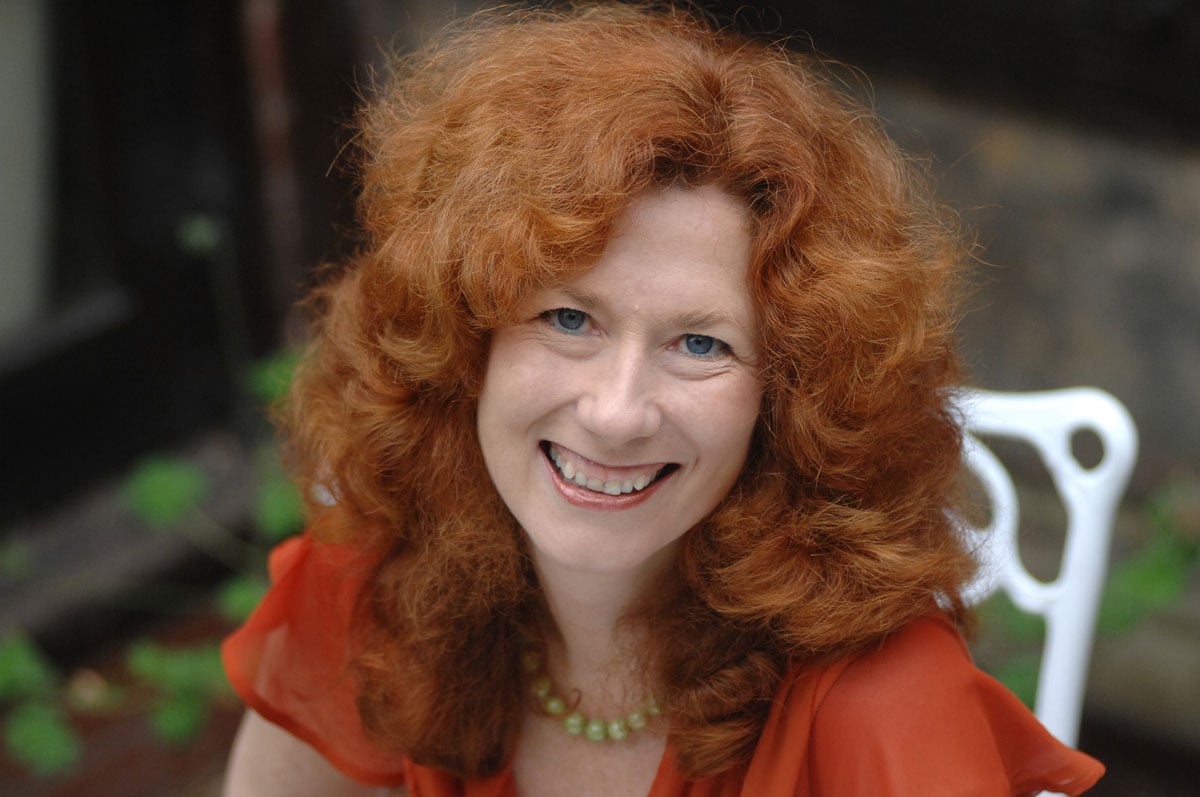
Classicist, author and broadcaster, Angie Hobbs, champions the public understanding of ancient philosophy in all of her work. Her latest book, Why Plato Matters Now, explores with brilliant clarity one of the most influential Greek philosopher’s thinking about abuses of political power and how public life and community can flourish. Her book shows how closely Plato’s ideas are intertwined with his own eventful life and times in Athens in the Fifth Century BC. The bitter 27-year civil war between Athens and Sparta, the Peloponnesian War, brought plague, famine and ultimately defeat to Athens, influencing Plato to seek social harmony and peaceful co-existence as overarching goals.
Each chapter connects Plato’s arguments to our current debates and asks how Plato’s adaptation of the methods of his mentor, Socrates, and his use of the dramatic dialogue form can enable us to deal more constructively with contested issues in culture, politics and religion today.
Angie Hobbs will be in conversation with author and Irish Times journalist, Joe Humphreys, whose stimulating weekly column, ‘Unthinkable’, explores the application of philosophy to public and personal contexts.
On Why Plato Matters Now:
‘The definitive guide to Plato and his place in the modern world, written with all the passion, insight and clarity he deserves.’ – Daisy Dunn
'Tell me the tale of a man, Muse, who had so many roundabout ways
To wander, driven off course, after sacking Troy's hallowed keep;'
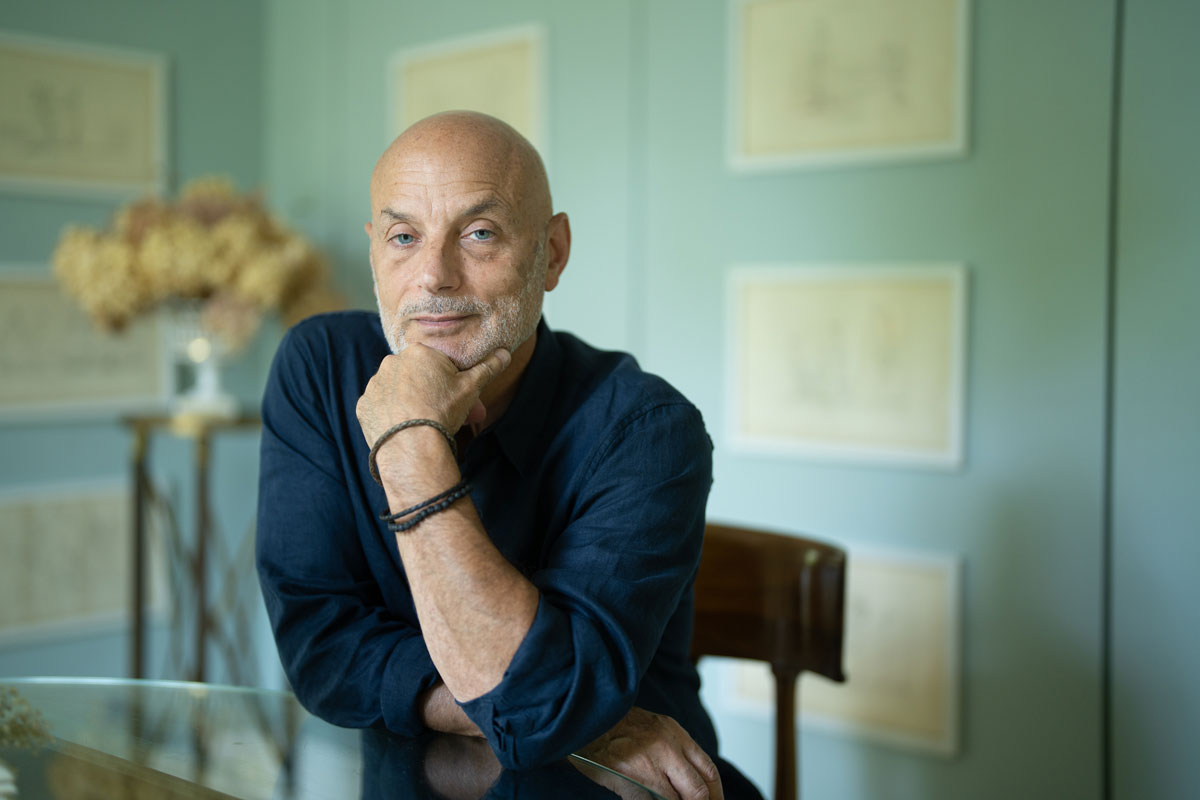
Classicist, critic and memoirist Daniel Mendelsohn’s elegant new verse translation of Homer’s Odyssey pays close attention to the sound and sense of the epic poem’s original Greek. Since its publication last year it has been acclaimed for its vivid imagery and illuminating introduction and commentary. Homer was also central to Mendelsohn’s moving memoir, An Odyssey: A Father, a Son and an Epic, recounting his Mediterranean travels with his late father as they read the poem together, tracing the journey of the multi-faceted Odysseus.
In a preface to his essay collection, The Bad Boy of Athens: Classics from the Greeks to Game of Thrones, Daniel Mendelsohn wrote about his desire to present the ancient Greeks and Romans and their culture afresh, and to ponder what our interpretations and adaptations say about us. Having invited him as opening night guest online for the first edition of Classics Now in 2020, we are delighted to welcome this celebrated New York critic and scholar to Dublin, to discuss the Odyssey, questions of interpretation, translation, cultural influence and much more with novelist, playwright and critic, Belinda McKeon.