
Supported by Literature Ireland

Rich-Gilligan.jpg)
'Tell me the tale of a man, Muse, who had so many roundabout ways
To wander, driven off course, after sacking Troy's hallowed keep;'
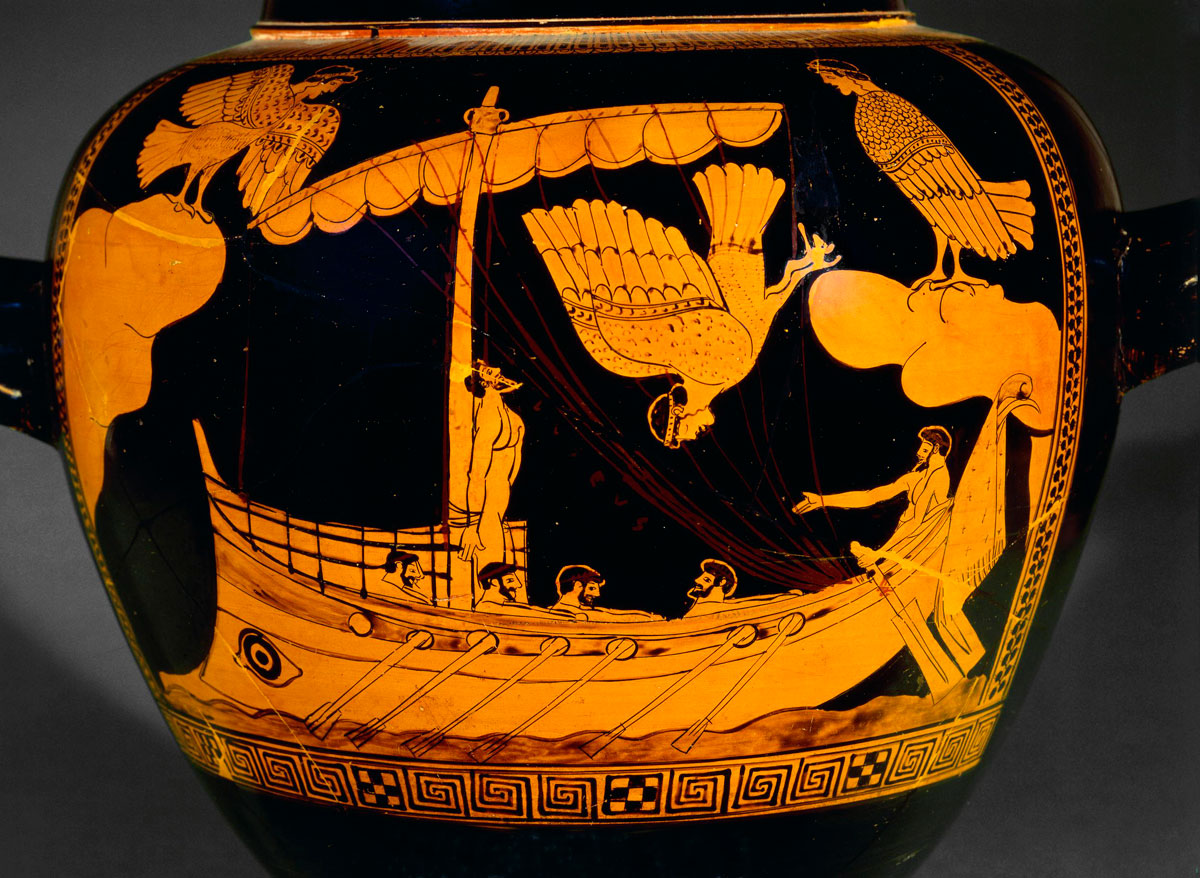
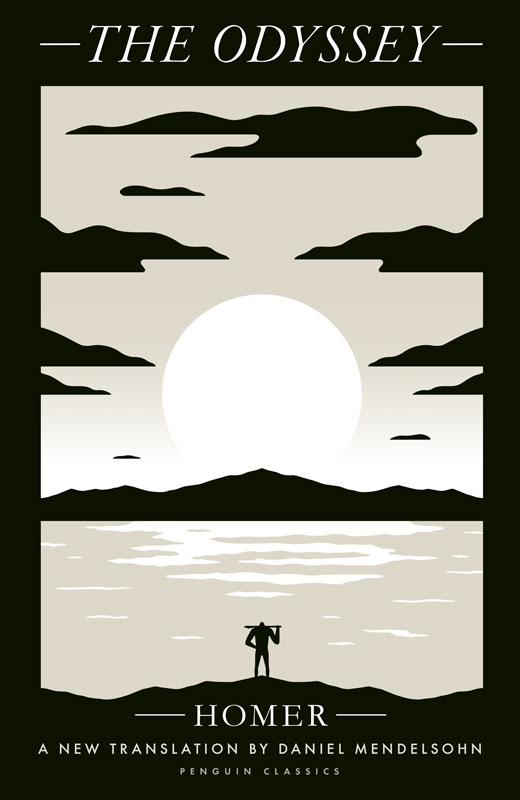
Classicist, critic and memoirist Daniel Mendelsohn’s elegant new verse translation of Homer’s Odyssey pays close attention to the sound and sense of the epic poem’s original Greek. Since its publication last year it has been acclaimed for its vivid imagery and illuminating introduction and commentary. Homer was also central to Mendelsohn’s moving memoir, An Odyssey: A Father, a Son and an Epic, recounting his Mediterranean travels with his late father as they read the poem together, tracing the journey of the multi-faceted Odysseus.
In a preface to his essay collection, The Bad Boy of Athens: Classics from the Greeks to Game of Thrones, Daniel Mendelsohn wrote about his desire to present the ancient Greeks and Romans and their culture afresh, and to ponder what our interpretations and adaptations say about us. Having invited him as opening night guest online for the first edition of Classics Now in 2020, we are delighted to welcome this celebrated New York critic and scholar to Dublin, to discuss the Odyssey, questions of interpretation, translation, cultural influence and much more with novelist, playwright and critic, Belinda McKeon.

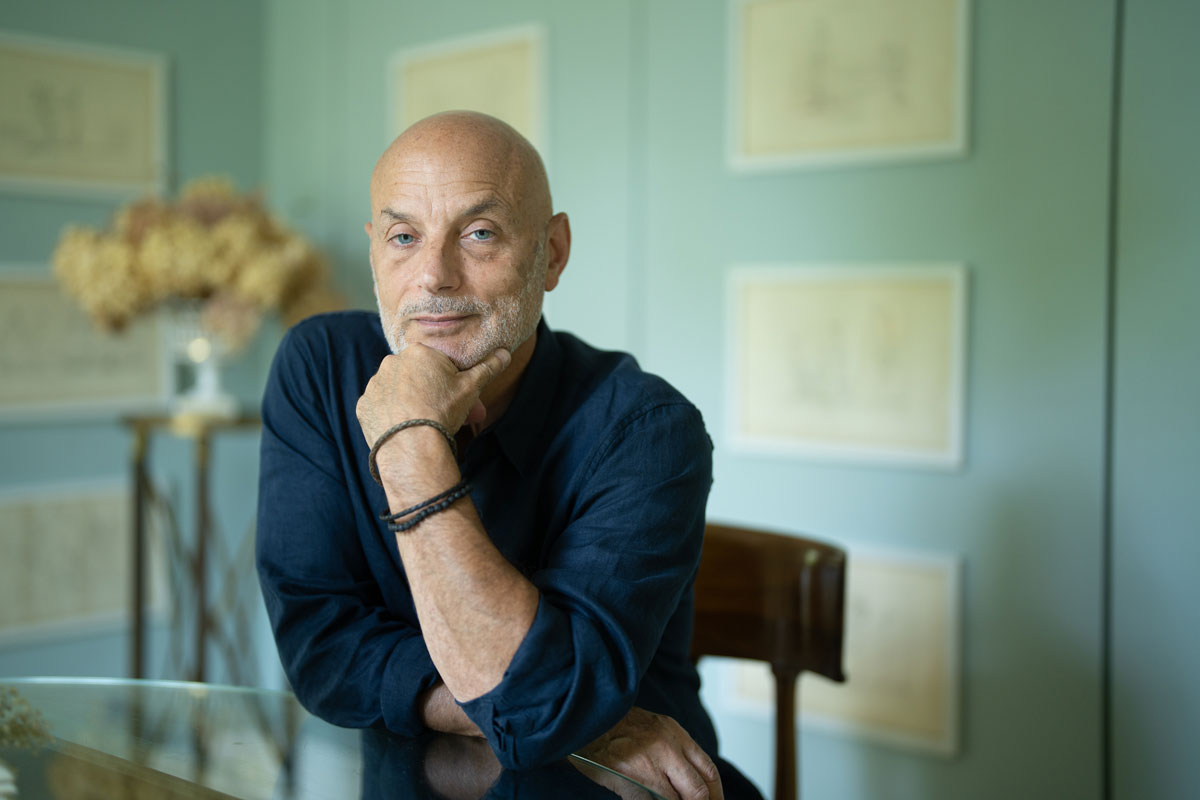
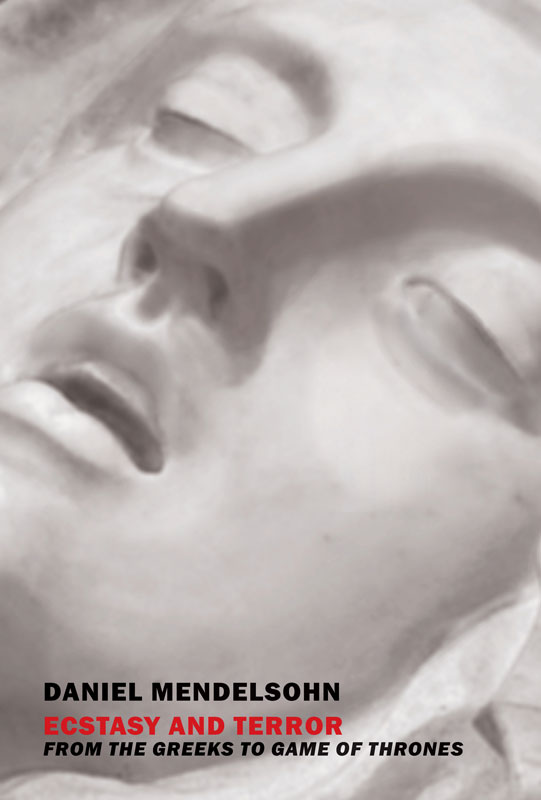
Daniel Mendelsohn is an award-winning author, critic, essayist, and translator. His eleven books include the international bestsellers An Odyssey: A Father, a Son, and an Epic and The Lost: A Search for Six of Six Million; a translation, with commentary, of the Modern Greek poet Constantine Cavafy; and three collections of essays, most recently Ecstasy and Terror: From the Greeks to Game of Thrones (2018).
Over the past thirty years Daniel Mendelsohn has contributed over three hundred essays, reviews, articles, and translations to numerous publications, most frequently The New Yorker and The New York Review of Books, where he is Editor-at-Large, and has been a columnist for The New York Times Book Review, New York magazine, and BBC Culture. His writing for mainstream publications covers a wide range of subjects, from Classical civilization to contemporary literature, as well as film, theater, opera, and television. Daniel Mendelsohn’s honours include the National Jewish Book Award, the National Book Critics’ Circle Award, the American Academy of Arts and Letters Award for Prose Style, the Society for Classical Studies Presidents’ Medal, Princeton University’s James Madison Medal, the Prix Médicis in France and the Malaparte Prize in Italy, that country’s highest literary honor for foreign authors. In 2022, he was made a Knight of the Order of Arts and Letters by the Republic of France. Since 2019, he has been the director of the Robert B. Silvers Foundation, a charitable trust that supports writers of nonfiction, essay, and criticism.
Daniel Mendelsohn, the Charles Ranlett Flint professor of Humanities at Bard College, lives in the Hudson Valley of New York. His translation of Homer’s Odyssey was published by the University of Chicago Press in Spring 2025.
Rich-Gilligan-150.jpg)
Belinda McKeon is a novelist and playwright. Her novels are Solace (Picador, 2011) and Tender (2015). She is Associate Professor of Creative Writing at Maynooth University.