Our sixth weekend will showcase the current burst of exploration and re-engagement with Classics and the ancient world. Artists, writers and thinkers, international and Irish, are taking Classics as a lens to examine our contemporary cultural and political preoccupations.
Our programme in late January 2026 will present inviting encounters including performances and readings, both online and live, in public spaces - art galleries and cultural centres - with a number of events appealing to second and third-level students. In interviews, discussions, film screenings and music theatre performances you will see and hear from artists working in different genres and art forms, in thought-provoking and imaginative ways.
Come and join the new Renaissance.
X/ Instagram @ClassicsNowFest

The next ClassicsNow weekend will feature live and online events in Dublin with exciting writers and artists taking the ancient past as a way to reflect on our world today.
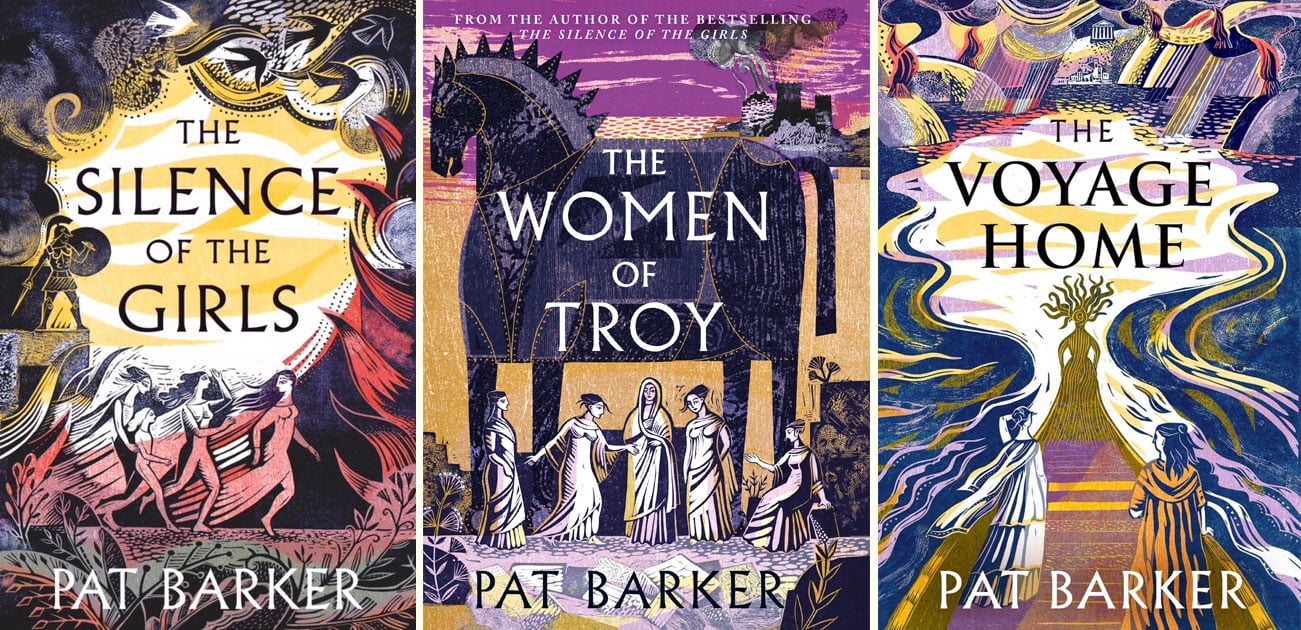
Acclaimed novelist Pat Barker concludes her enthralling trilogy with The Voyage Home, following The Silence of the Girls and Women of Troy. She joins us to talk about all three novels, and her approach to reimagining the fateful drama of Agamemnon’s return home to Mycenae from Troy. Online in conversation with arts journalist, Paula Shields.
Sunday February 1st, from 1pm.
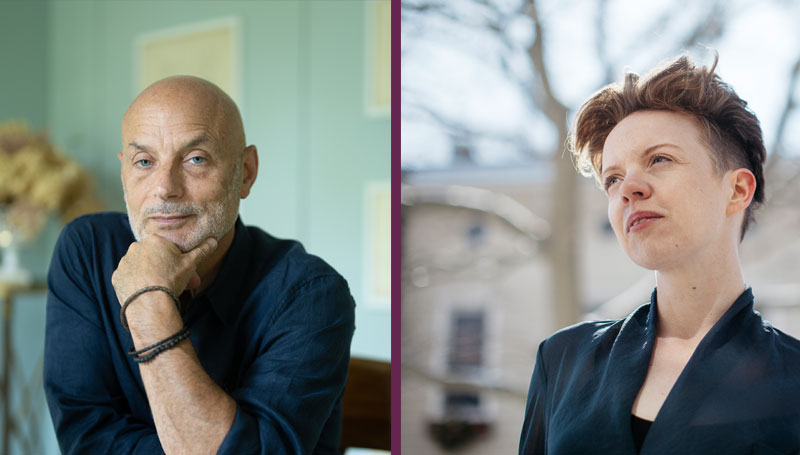
Classicist Daniel Mendelsohn’s elegant new verse translation of Homer’s Odyssey pays close attention to the sound and sense of the epic poem’s original Greek. Homer was also central to Mendelsohn’s moving memoir, An Odyssey: A Father, a Son and an Epic, recounting his Mediterranean travels with his late father, tracing the journey of Odysseus. This renowned New York essayist, critic and translator will be in conversation with novelist and critic, Belinda McKeon.
Supported by Literature Ireland
Whyte Recital Hall,
Royal Irish Academy of Music
Sunday February 1st, 6.30pm
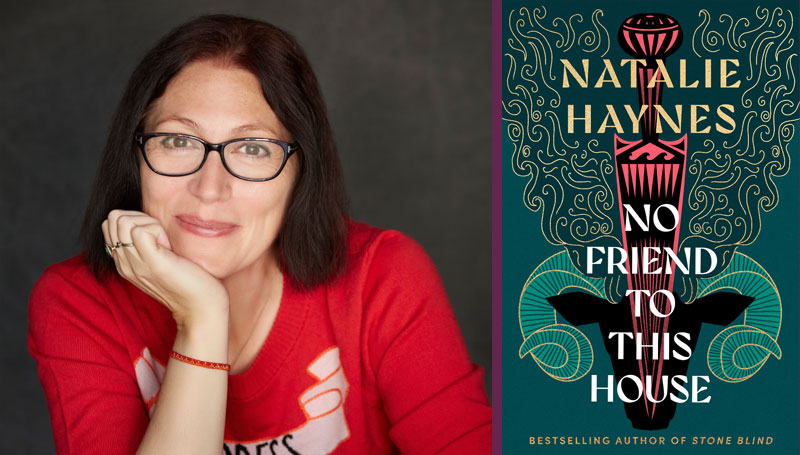
Bringing insight, wit and originality to her readings of Classical myth, tragedy and history, the author and broadcaster Natalie Haynes presents her latest novel, No Friend To This House, which draws on Euripides’ tragedy, Medea. Join this award-winning writer for an evening re-imagining the story of Medea, Jason and the Golden Fleece, giving us an eye-opening reinterpretation of Medea: witch, sorceress and daughter of a brutal king.
Whyte Recital Hall,
Royal Irish Academy of Music
Saturday January 31st, 7 pm
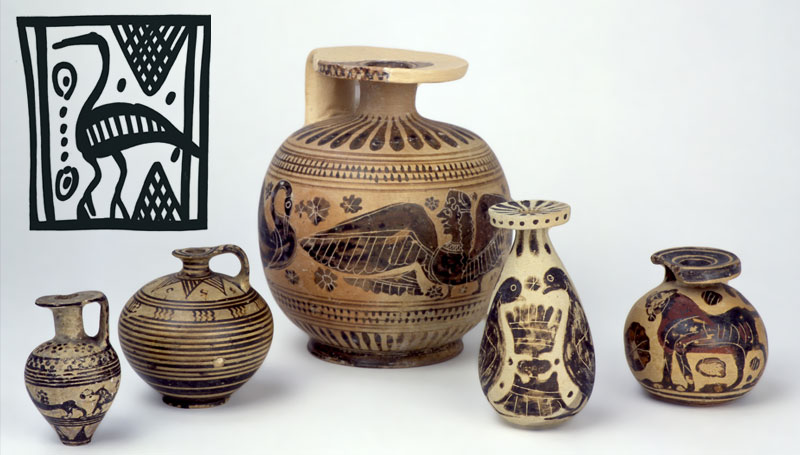
The Classical Museum in University College Dublin holds the largest collection of Classical antiquities on display in Ireland, including Roman, Greek and Egyptian artefacts: ceramics, sculpture, jewellery and coins.
Join Museum Curator Dr Joanna Day for an introduction to the richness of the Museum collection.
School of Classics,
Newman Building
University College Dublin
Saturday January 31st, 11.30am
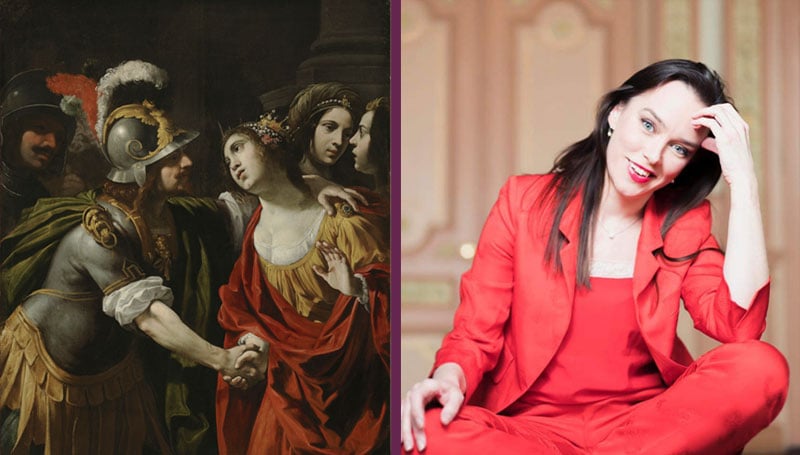
The doomed love affair between Aeneas the Trojan hero and Dido Queen of Carthage inspired Henry Purcell’s 17th Century opera, Dido & Aeneas, which captures the tragedy and intensity of the lovers’ story as described in Virgil’s Aeneid. Discover the many facets of the fascinating Dido in a selection of readings and arias, including Purcell’s magnificent 'Dido’s Lament', performed by mezzo soprano Sharon Carty, with director Conor Hanratty and harpsichordist David O’Shea.
Vernon Studio,
Royal Irish Academy of Music
Friday January 30th, 7pm
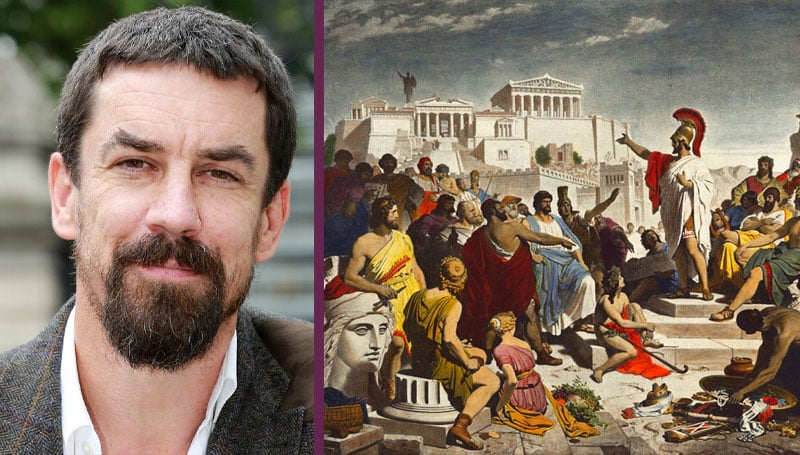
What are the laws of war? Who will hold belligerents to account? The invasion of the island of Melos by the Athenians in 416 BC sparked questions about the justifications for war, as we know from the Greek historian, Thucydides. He presented the arguments in his influential History of the Peloponnesian War, the 27-year war between Athens and Sparta. A new work-in-progress performance of Colin Murphy’s gripping, highly topical version of the 'Melian Dialogue', followed by a panel discussion chaired by Prof Brigid Laffan.
Kevin Barry Room,
National Concert Hall
Friday January 30th, 12.30pm
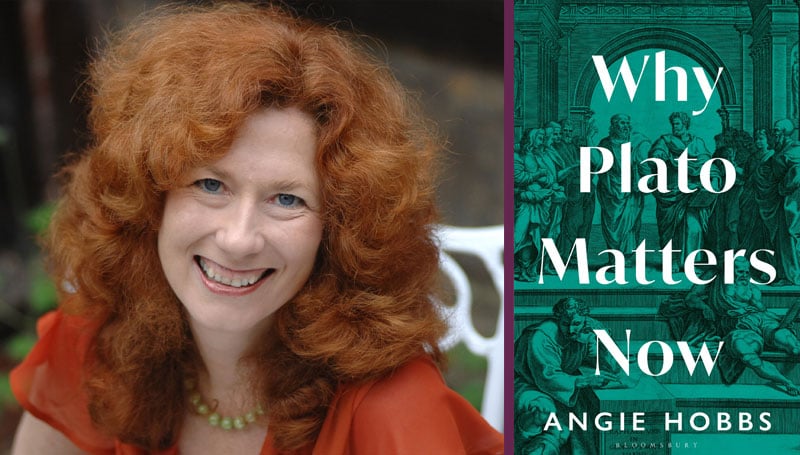
Author, classicist and broadcaster Angie Hobbs champions the public understanding of ancient philosophy in all of her work. Her latest book, Why Plato Matters Now, explores with brilliant clarity Plato’s thinking about abuses of political power and how public life and community can flourish. It asks how Plato's use of the dialogue form can enable us to deal more constructively with contested issues in culture and politics today. In conversation with author and Irish Times columnist, Joe Humphreys.
Unitarian Church,
St Stephen’s Green
Saturday January 31st, 3pm